Hello, we are Under Control! And we design solutions that lift the burdens of automation problems from people’s shoulders. Welcome to our very first post at UC!
We would like to take the opportunity to present who we are and our vision. UC is composed of an engineer and a computer scientist. We were unsatisfied (as always) with how common conceptions regarding controlling automated equipment were creating more problems than solving – people simply thought it would be ok to ignore the mass of ton-scaled loads. Our utmost goal is to use the expertise we have gathered to bring fresh air to clients looking to optimize their lines. One of our signature procedures is to make a fair amount of effort to use already in place sensors and actuators. Not only does it save resources, but it also adds a touch of “filling home” for the client, turning the process smoother and more comfortable. At UC we strongly believe that automated systems must work correctly and efficiently. It is not sufficient to go from A to B; the transition must be done respecting the rules, the operation, and the business requirements.
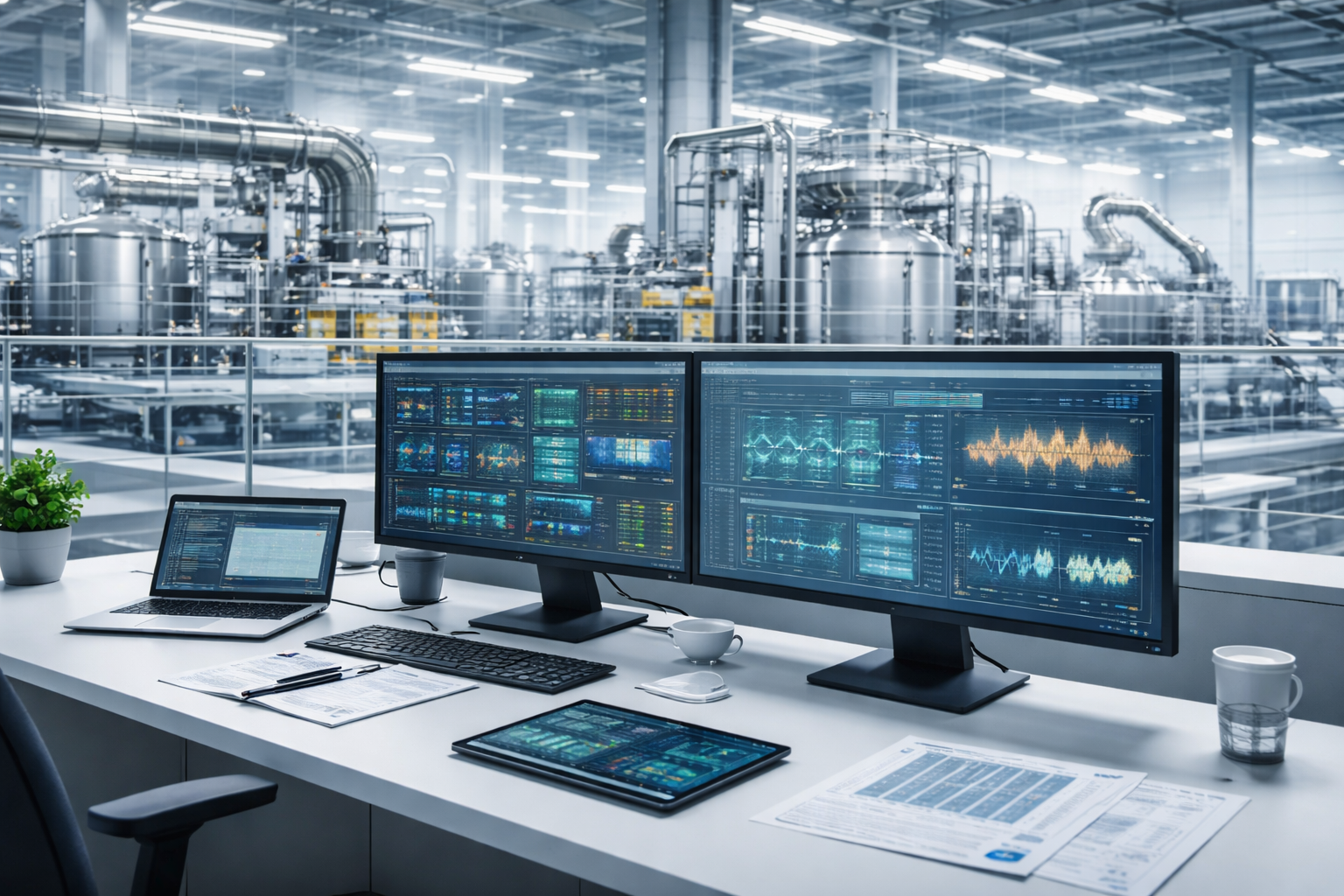
A considerable number of engineers take control of automated systems for granted. As long as the system is reaching the reference (or at least “doing its best”), they consider it working properly. This can be satisfactory for simple applications such as an on-off water pump that feeds a water tank, but for more sophisticated cases, there are better solutions. For instance, a distillation process that requires controlling heat, flow, and pressure could be set using simple techniques, such as a PID. It is possible to save time, power consumption, and achieve a higher quality product using modern control techniques in our belts. We can estimate a conceptual model of the system and use it to create an auto-tuning control law that will not only reach the desired objective but will also impose operation restrictions on it, saving resources preemptively. These savings may come as
- operating inside the recommended limits of the actuator, increasing its lifespan.
- Or even imposing a minimum energy consumption politics to the operation.
- Another alternative form of savings is related to not wasting raw material by improving how it is dispensed.
We are not niche by industry segment per se, rather we care about the classes of machines we work with. Because we tackle our projects from a mathematical perspective at first, we are able to adapt our approach to virtually any signal processing problem. Some types of machinery we have already worked with are:
- Ovens,
- caldrons,
- clumping machines,
- mobile ground robots,
- and underwater robots.
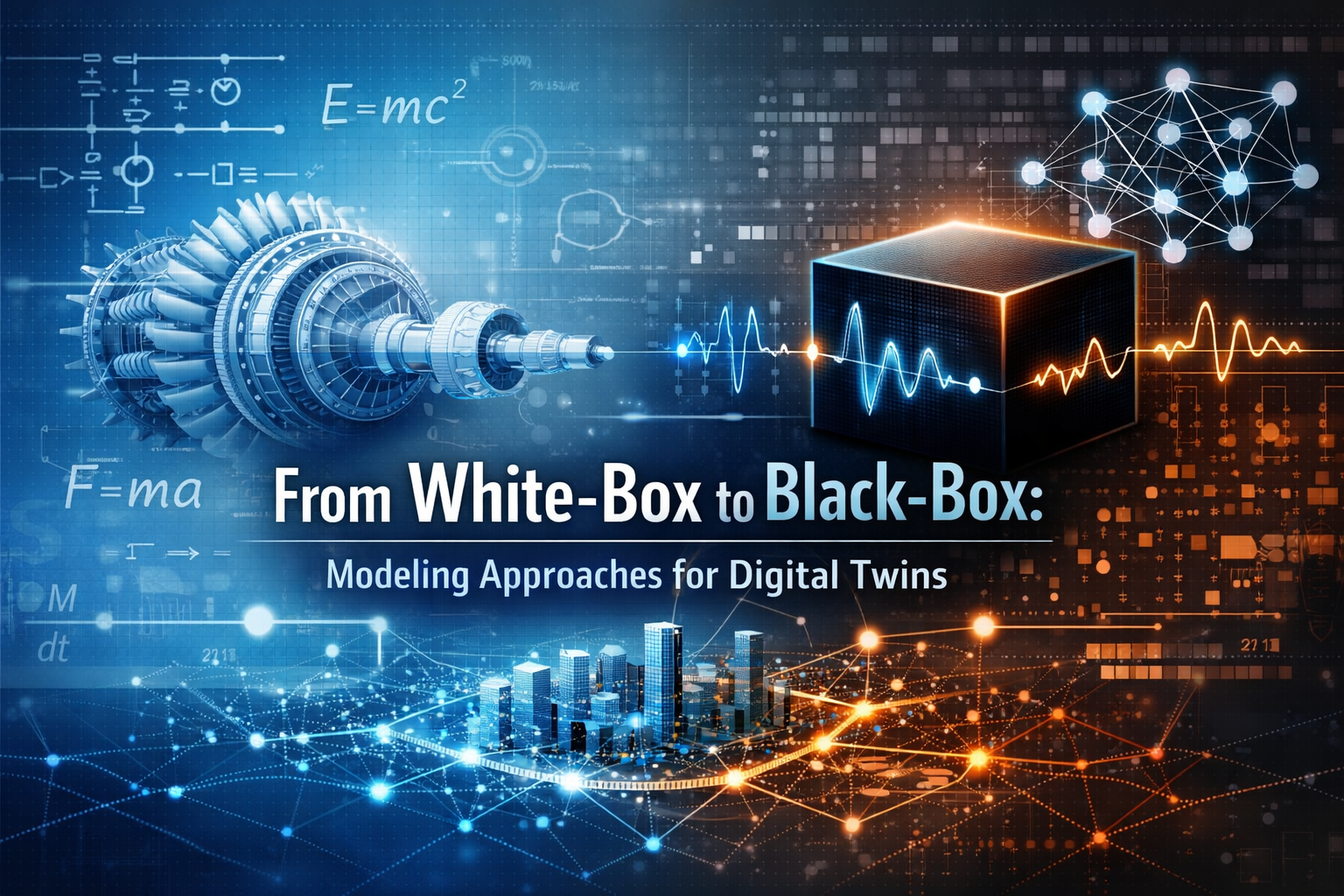
Speaking in jargon, we have a fairly comprehensive toolset right away, including filtering, smoothing, and prediction tools. From the simplest Kalman Filter state observer to the LiDAR-based SLAM, from the humble pole placement loop-closure to MPC and MPPI. We can generate a digital clone for simulation purposes or an online model for control law generation.
Undercontrol offers modern solutions to well-known problems and helps in the solution of new challenges. This is our mission.

Leave a Reply